England of the 19th Century experienced the tremendous growth of the working class and middle class, alongside with growing of working class consciousness that came from the realisation of the exploitation of the industries and from the frustration due to subsequent failure of capitalists as well as the state in addressing the working class grievances. Several trade unions, co-operatives, education and religious societies were formed to support the working class movement. The major emphasis of this period was placed on the education of working classes. William Morris, British Textile Designer and one of the prominent figures in the worker’s movement, wrote in a letter to his daughter that “It begins at all events with the distinct aim of making Socialists by educating them, and of organizing them to deal with politics in the end”.

Plebs League was formed in 1908 to unite, educate and organise working classes in England. To educate working classes, they established local labour colleges, class centres, workshops, published books and “The Plebs” magazine. The League was absorbed into the National Council of Labour Colleges in 1927, Head Office in Hampstead, London. NCLC’s efforts were directed towards “the education of the workers from the working class point of view, through the medium of Colleges, classes and public lectures; coordination and extension of this independent working class educational work; the issuing of leaflets, syllabus etc. for the assistance of class tutors and students”.
NCLC continued in its activities till 1964, when it merged with the Trade Union Congress’s Education Department along with Workers Educational Trade Union Committee and the Ruskin College Postal Courses Department. NCLC played a remarkable role in organising working classes and educating them for their development.
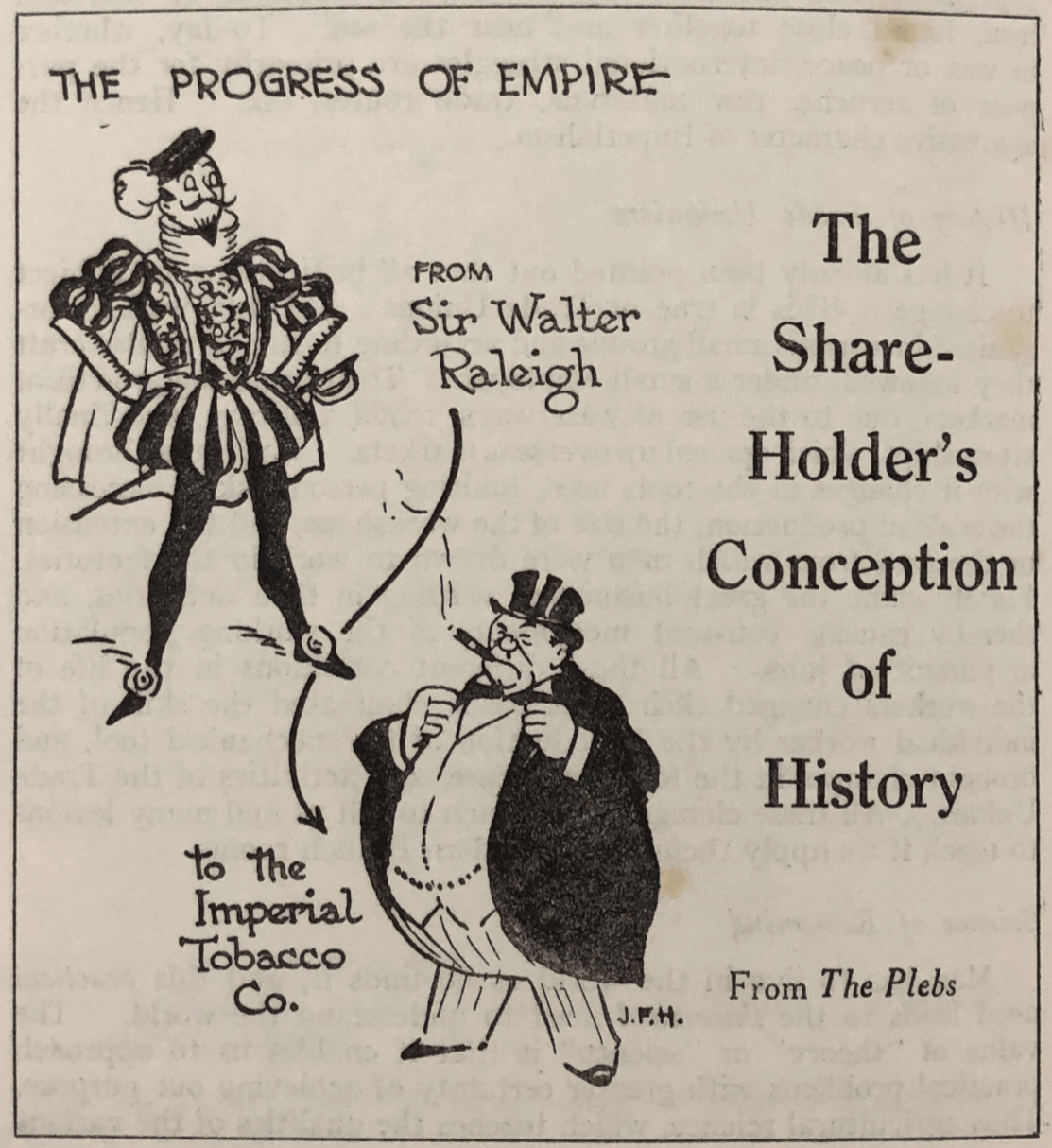
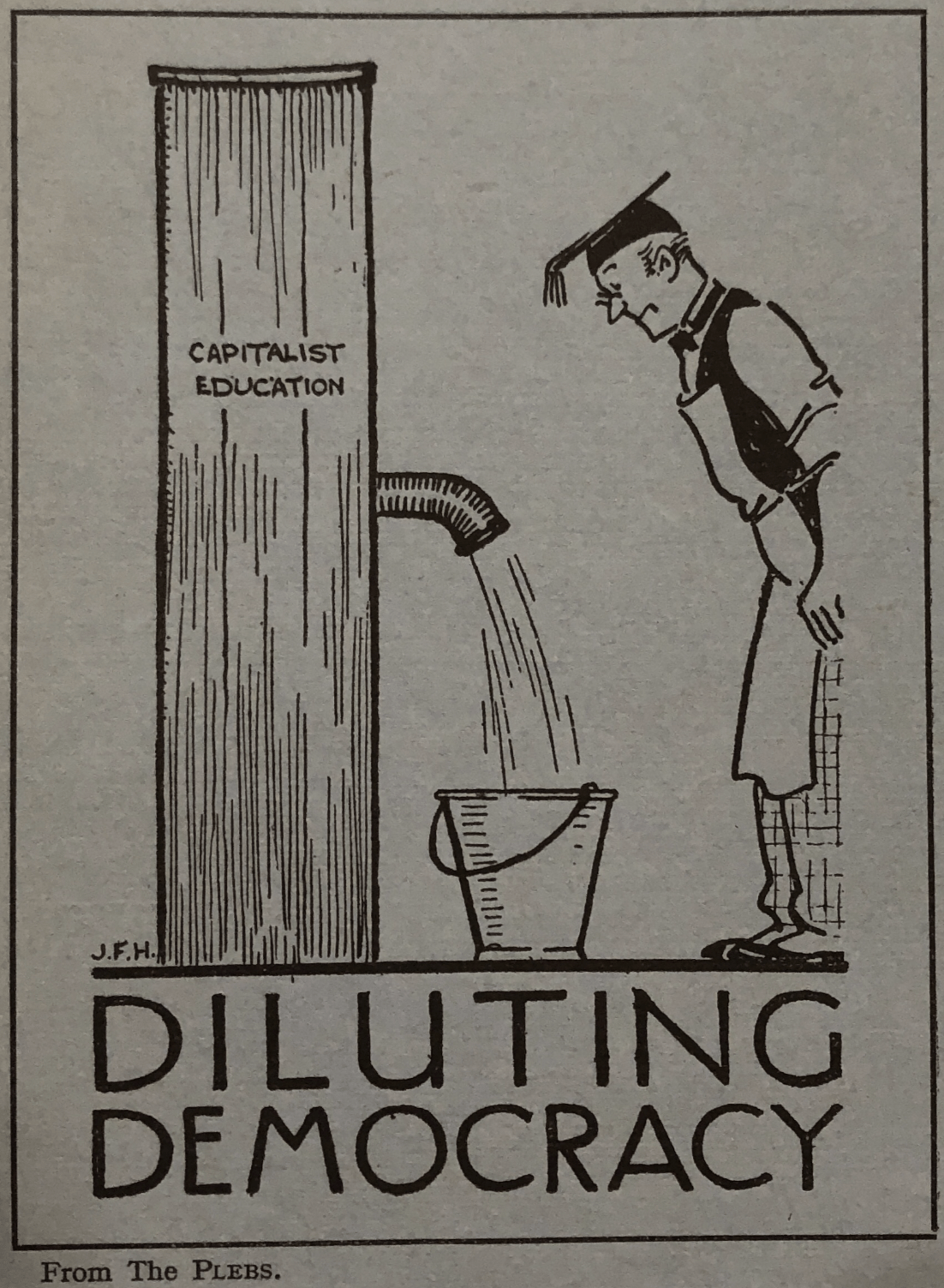
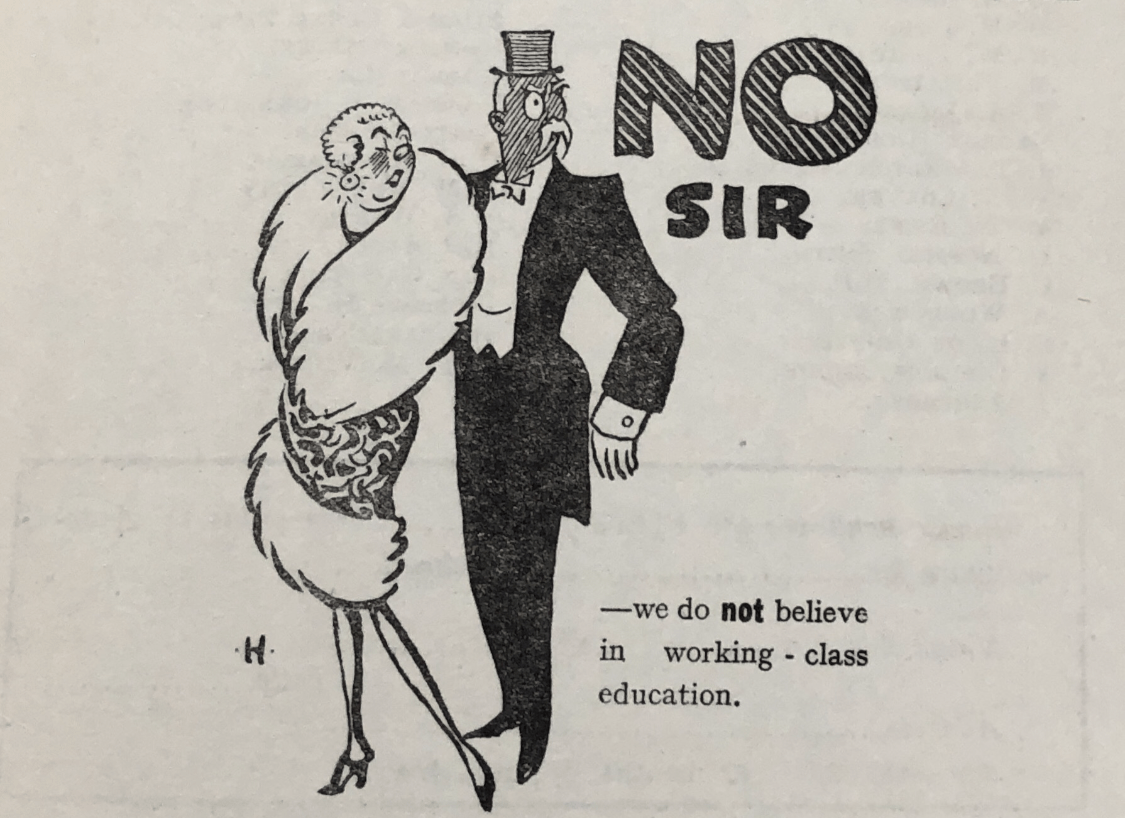
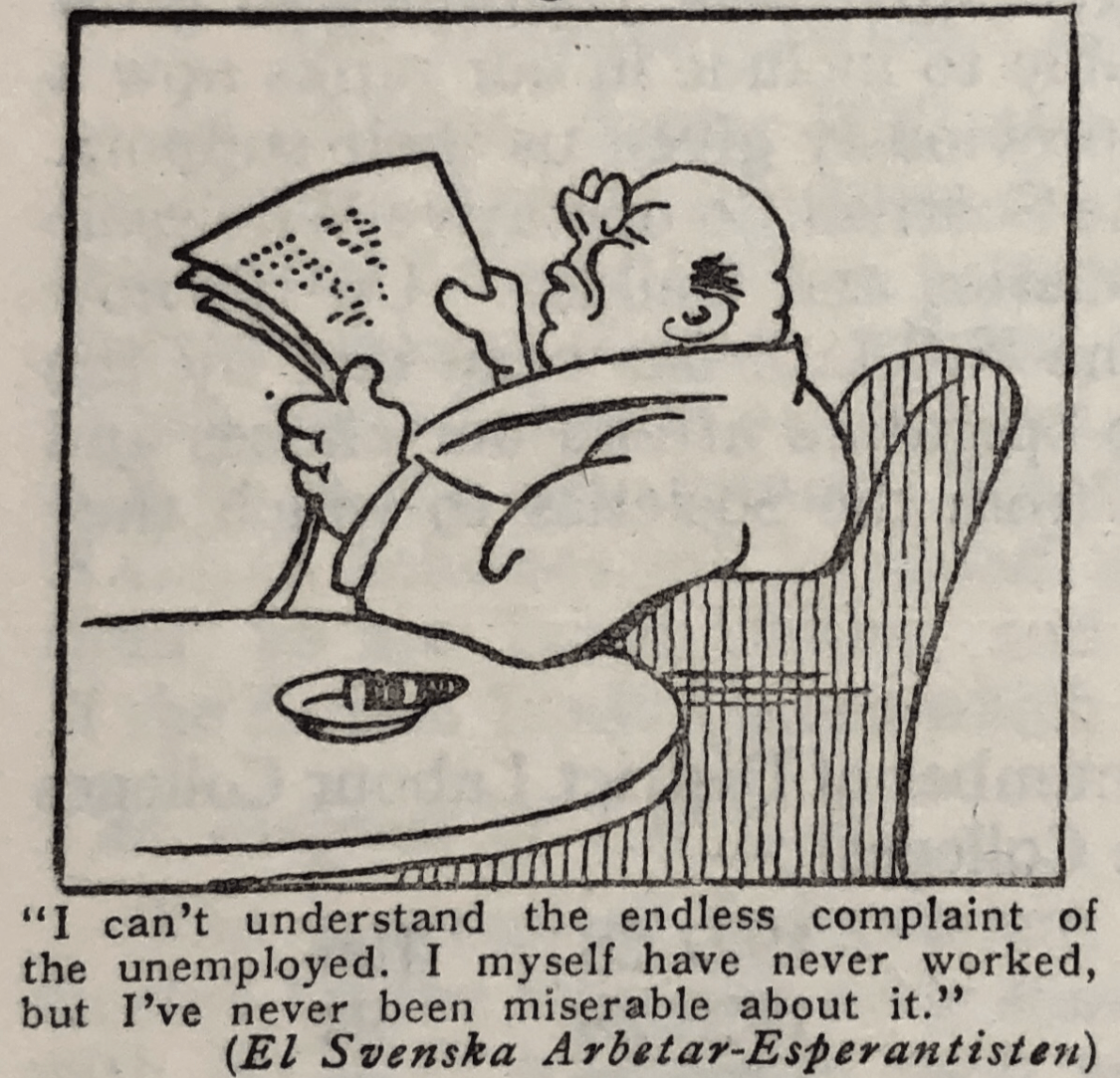
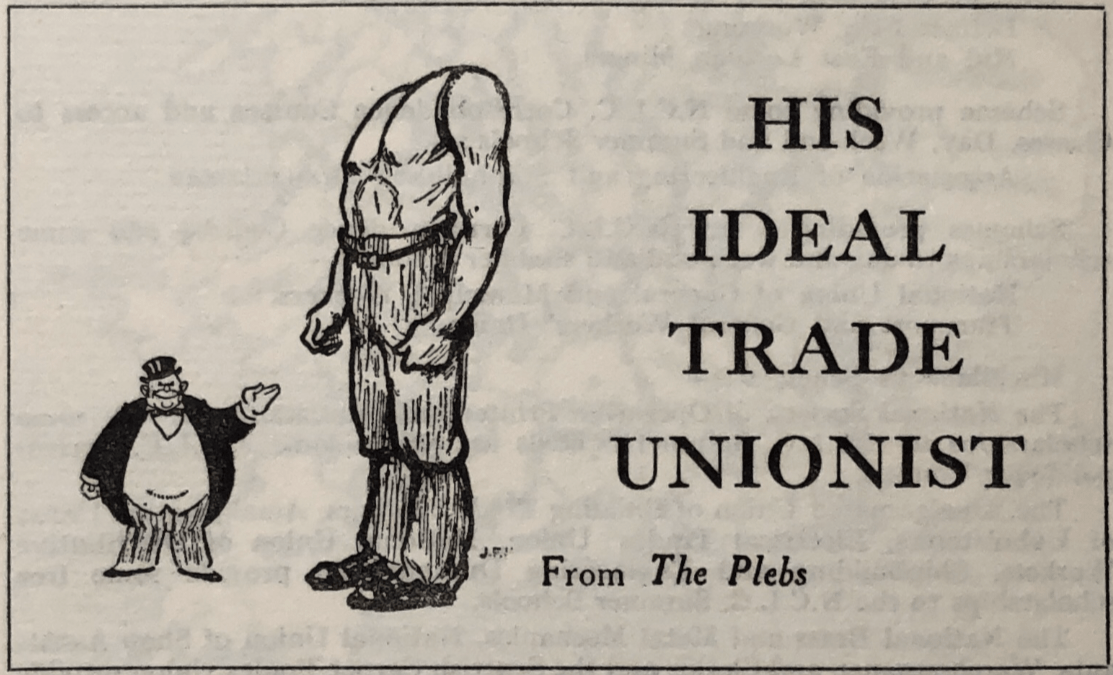
EDUCATION FOR EMANCIPATION is one among the several booklets published by N.C.L.C publishing society. This book focuses on the need for “the creation of a proletarian intellectual culture which would allow the working class to hurg off the distortions of ‘public opinion’, ‘educational uplift’, and ‘scientific objectivity’”. A few cartoons that are printed in the pages of this book are presented above, and they are significant because they reflect on the working class conditions and business owner’s attitude towards them in those days and nothing seems to have changed even today across the world.
References:
Albert G. Hamling (1987) The role of the National Council of Labour Colleges in the Field of Adult Education, International Journal of Lifelong Education, 6:1, 3-26.
Education for Emancipation : The Work of the National Council of Labour Colleges. London: Labour, 1926. Print.
Phillips, A., & Putnam, T. (1980). Education for emancipation: the movement for independent working class education 1908–1928. Capital & Class, 4(1), 18-42.
Leave a Reply